The Highest UK ISA Rates Right Now: Cash ISA Roundup (June 2026)

As of late June 2026, the best easy-access cash ISA pays around 4.51% AER, while the top fixed-rate ISAs sit at roughly 4.7% to 4.75% AER. Savings rates move constantly, though, so treat the figures here as a dated snapshot rather than a live quote — and always confirm the current rate with the provider before you open anything. Here’s this week’s roundup of the highest UK ISA rates, what’s shifted, and a change to the rules worth knowing about now. (This is general information, not financial advice — see the note at the end.)
What are the highest ISA rates right now?
Across the main cash ISA types, here’s where the best buys stand this week.
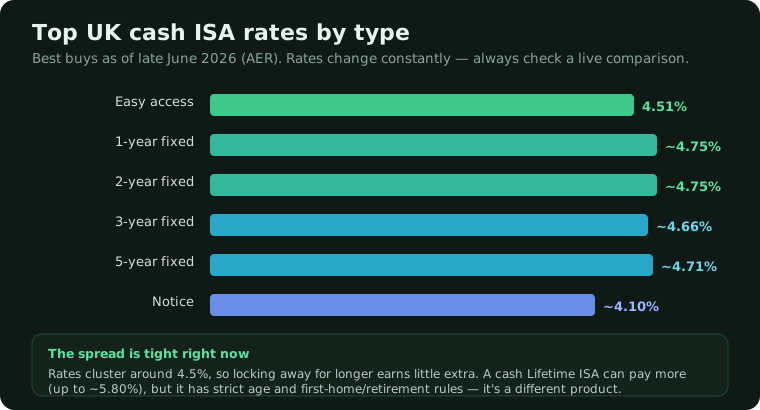
| ISA type | Top rate (AER) | Example provider |
|---|---|---|
| Easy access | ~4.51% | Trading 212 (includes a 12-month bonus) |
| 1-year fixed | ~4.75% | market-leading fixed accounts |
| 2-year fixed | ~4.75% | market-leading fixed accounts |
| 3-year fixed | ~4.66% | longer-term fixed accounts |
| Notice | ~4.10% | notice-period accounts |
The current leader for new easy-access money is Trading 212’s cash ISA at 4.51% AER, though that figure includes a roughly 0.91% bonus for the first 12 months (with an apply-by deadline in early July and a promo code to claim it). Other competitive app-based options sit just behind, around 4.42% to 4.44%. A cash Lifetime ISA can advertise more — up to roughly 5.80% AER — but it’s a different product with strict rules on age and what the money can be used for, so it isn’t directly comparable.
What’s changed in ISA rates this week?
After a few weeks of easing, the top easy-access rates have steadied and recovered slightly, with Trading 212 holding the lead and rivals nudging their rates up to compete. The fixed-rate side has been softer, with several previously market-leading fixed accounts trimmed, so the very top fixed rates have edged down compared with earlier in the spring. The practical takeaway is that the gap between easy-access and fixed rates is unusually narrow right now.
Easy-access vs fixed: which type is right for you?
The honest answer is that it depends on whether you need access to your money. Easy-access ISAs let you withdraw freely (and many are “flexible,” meaning you can replace what you take out in the same tax year without losing allowance), but the rate can change at any time. Fixed-rate ISAs lock your rate in for a set term and usually only allow early withdrawal with a penalty.
Because rates are currently clustered tightly around 4.5%, there’s little extra reward for locking your money away for longer — so unless you specifically want the certainty of a guaranteed rate over several years, the flexibility of an easy-access or short fixed account looks reasonable value at the moment. If you don’t pay tax on your savings interest at all, it’s also worth checking whether an ordinary savings account pays more, since the ISA tax break only benefits you if you’d otherwise be taxed.
The cash ISA change coming in 2027
Here’s the part worth acting on rather than just reading. For the current 2026/27 tax year, every UK adult has a £20,000 ISA allowance. But from the next tax year, beginning April 2027, the cash ISA allowance is set to fall to £12,000 for under-65s (with over-65s keeping the full £20,000).
That means time is running out for younger savers to shelter the full £20,000 in cash at the current level. Allowances don’t roll over — if you don’t use this year’s, you lose it — so anyone planning to build up tax-free cash savings may want to make use of the current limit before it shrinks.
How do you find the best ISA rate without getting caught out?
The headline rate is only part of the picture. Before committing, it’s worth running through a few checks.
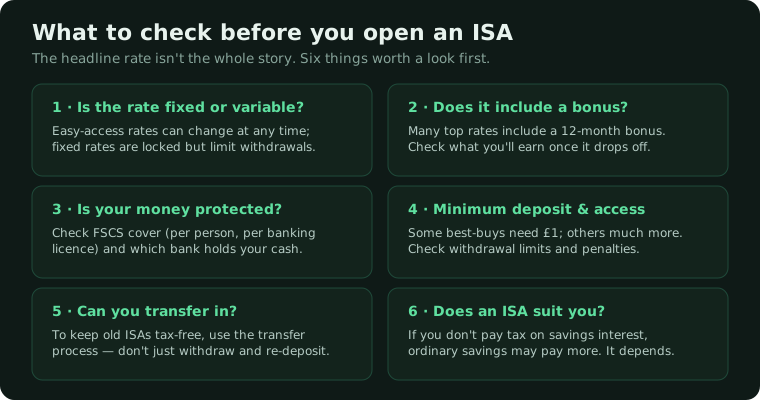
In particular: see whether a top rate relies on a temporary bonus that will drop off after a year; confirm your deposit is protected by the FSCS (which covers eligible savings per person, per banking licence — verify the current limit, as it has been under review); check the minimum deposit and any withdrawal restrictions; and, if you’re moving an existing ISA, use the official transfer process rather than withdrawing the cash, so it keeps its tax-free status. Because the best rates change week to week, the most reliable approach is to check a live, regularly updated comparison — sites like MoneySavingExpert and Moneyfacts maintain current best-buy tables — right before you open an account.
The bottom line
As of late June 2026, the highest UK cash ISA rates are about 4.51% easy-access and around 4.7% to 4.75% fixed, with the market tightly clustered and little premium for longer terms. The bigger story is the looming cut to the under-65 cash ISA allowance in April 2027, which makes using this year’s £20,000 limit more pressing for younger savers. Whatever you choose, check the live rate and the small print first — and remember the right option depends on your own circumstances.
This article is general information, not financial advice, and does not recommend any specific product or provider. Savings rates change frequently; all figures are a snapshot as of late June 2026 and are subject to change. Confirm current rates and terms with the provider, check FSCS protection, and consider speaking to a regulated financial adviser if you’re unsure.